

In the contemporary era of mass generation and consumerism, the term “Factory farm animal cruelty” has grow to be synonymous with efficiency and affordability in the meals market. Nevertheless, guiding the walls of these industrialized operations lies a dim fact of animal struggling and cruelty that frequently goes unseen by the common customer.
Manufacturing unit farming, also known as industrial agriculture, is a method of intensive animal farming that prioritizes substantial output and profit margins in excess of the well-currently being of animals. In these services, animals are confined to cramped and unsanitary situations, frequently unable to show their normal behaviors or accessibility suitable nutrition and veterinary treatment.
One particular of the most substantial troubles related with factory farming is the severe confinement of animals. Pigs, chickens, and cows are frequently housed in overcrowded and barren cages or pens, unable to move freely or have interaction in normal behaviors this kind of as foraging or socializing. This confinement not only brings about bodily discomfort and anxiety but also raises the likelihood of accidents and disease amid the animals.
Moreover, the use of antibiotics and expansion hormones is widespread in manufacturing facility farms to market fast growth and stop the unfold of disease in these kinds of crowded circumstances. This overreliance on antibiotics has contributed to the increase of antibiotic-resistant microorganisms, posing a significant risk to general public wellness.
The regimen techniques used in manufacturing unit farms also inflict enormous suffering on animals. For instance, in the egg market, male chicks are regarded economically worthless and are usually discarded alive by the countless numbers each day, either by becoming floor up alive or suffocated in plastic bags. Likewise, in the dairy market, calves are divided from their mothers soon right after start, causing distress to both the calf and the mom.
Perhaps one of the most disturbing factors of manufacturing unit farming is the widespread acceptance of cruel and inhumane treatment of animals as regular sector practices. Undercover investigations have unveiled situations of personnel kicking, beating, and even sexually abusing animals in these facilities. Regardless of these kinds of egregious acts of cruelty, perpetrators are seldom held accountable thanks to inadequate oversight and enforcement of animal welfare rules.
Political views of Manufacturing unit farm animal cruelty can not be disregarded possibly. The intensive creation of animal squander in these amenities qualified prospects to air pollution of air, drinking water, and soil, contributing to local climate change and ecological degradation. Additionally, the enormous consumption of assets this sort of as h2o and grain to feed livestock further strains worldwide foods programs and exacerbates problems of food insecurity and inequality.
Despite these grim realities, there is hope for change. Improved buyer consciousness and demand for ethically sourced and sustainably created food products have led to the rise of alternative farming practices these kinds of as organic farming, pasture-raised livestock, and plant-dependent alternate options to animal merchandise.
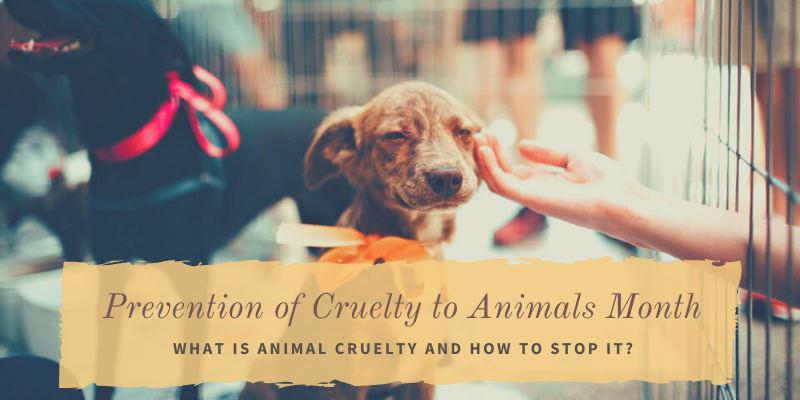
As consumers, we have the electricity to push positive change in the food business by generating knowledgeable choices and supporting moral and sustainable farming practices. By choosing to boycott manufacturing unit-farmed items and advocating for more robust animal welfare rules, we can assist reduce the struggling of hundreds of thousands of animals and produce a much more compassionate and sustainable foodstuff program for long term generations.